
Person
Global Entertainment Circuits and Touring Variety
Music — Western Classical
Australasia and the Pacific (1900 onwards)
British Malaya (1826-1941)
1867-1941: Straits Settlements as Crown Colony
Venue
Music
Independent Singapore (1965 onwards)
1965–1975: Singapore's Independence and Cold War SEA
Troupe
Colonial and Empire Networks
Music — Bagpiping
British Malaya (1826-1941)
1867-1941: Straits Settlements as Crown Colony
1914–1918: First World War
Performance
Diasporic Identities and Intercultural Encounters
Chinese Opera or Wayang or Xiqu — Cantonese opera or Yueju
British Malaya (1826-1941)
1867-1941: Straits Settlements as Crown Colony
Performance
Archipelagic Agents
Chinese Opera or Wayang or Xiqu — Cantonese opera or Yueju
British Malaya (1826-1941)
1867-1941: Straits Settlements as Crown Colony
Performance
Diasporic Identities and Intercultural Encounters
Chinese Opera or Wayang or Xiqu — Cantonese opera or Yueju
British Malaya (1826-1941)
1867-1941: Straits Settlements as Crown Colony
Performance
Diasporic Identities and Intercultural Encounters
Chinese Opera or Wayang or Xiqu — Cantonese opera or Yueju
British Malaya (1826-1941)
1867-1941: Straits Settlements as Crown Colony
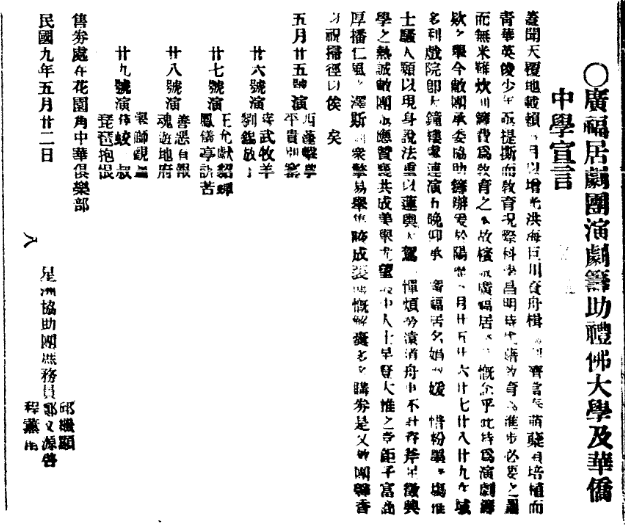
Tour
Diasporic Identities and Intercultural Encounters
Chinese Opera or Wayang or Xiqu — Cantonese opera or Yueju
British Malaya (1826-1941)
1867-1941: Straits Settlements as Crown Colony
Performance
Archipelagic Agents
Chinese Opera or Wayang or Xiqu — Cantonese opera or Yueju
British Malaya (1826-1941)
1867-1941: Straits Settlements as Crown Colony
Performance
Diasporic Identities and Intercultural Encounters
Chinese Opera or Wayang or Xiqu — Cantonese opera or Yueju
British Malaya (1826-1941)
1867-1941: Straits Settlements as Crown Colony
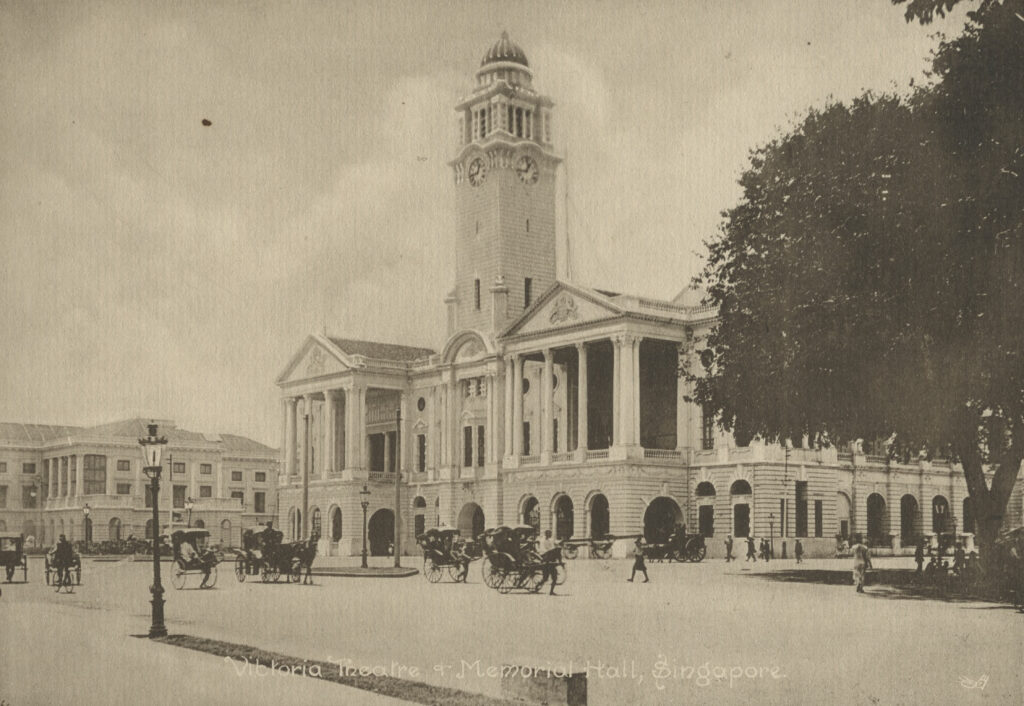
Venue
Colonial and Empire Networks
Theatre
Theatre — Chinese Opera or Wayang or Xiqu
British Malaya (1826-1941)
1867-1941: Straits Settlements as Crown Colony
Troupe
Diasporic Identities and Intercultural Encounters
Chinese Opera or Wayang or Xiqu — Cantonese opera or Yueju
British Malaya (1826-1941)
1867-1941: Straits Settlements as Crown Colony